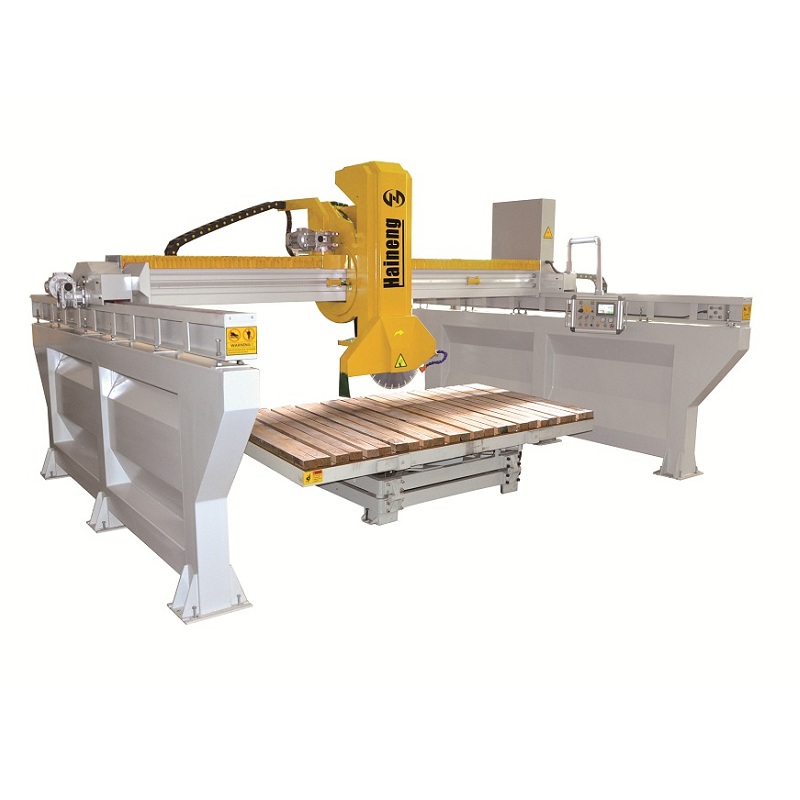
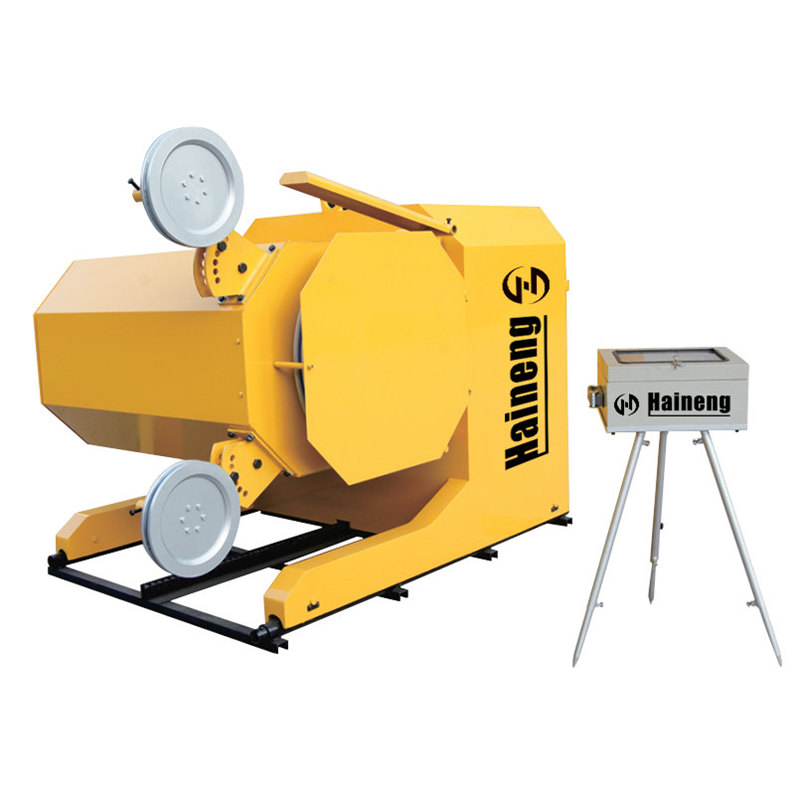
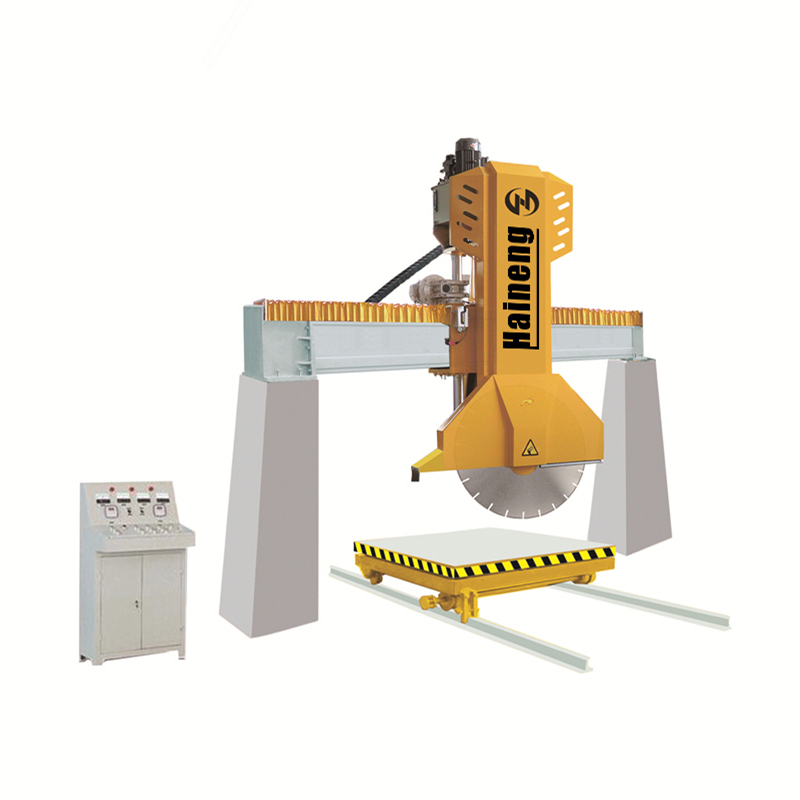
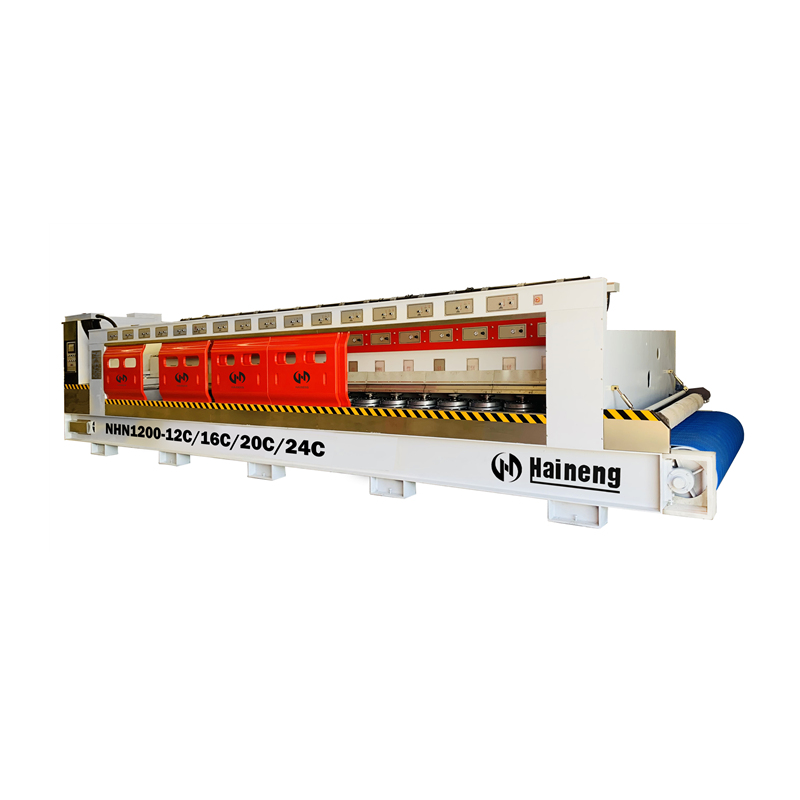
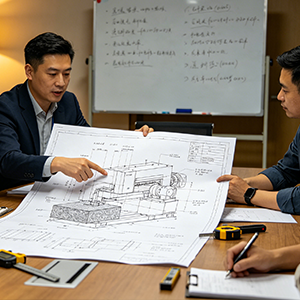
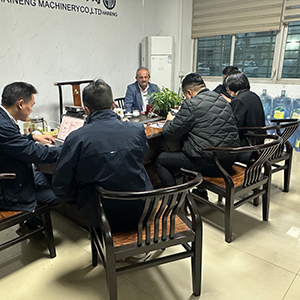
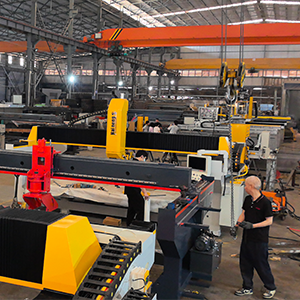
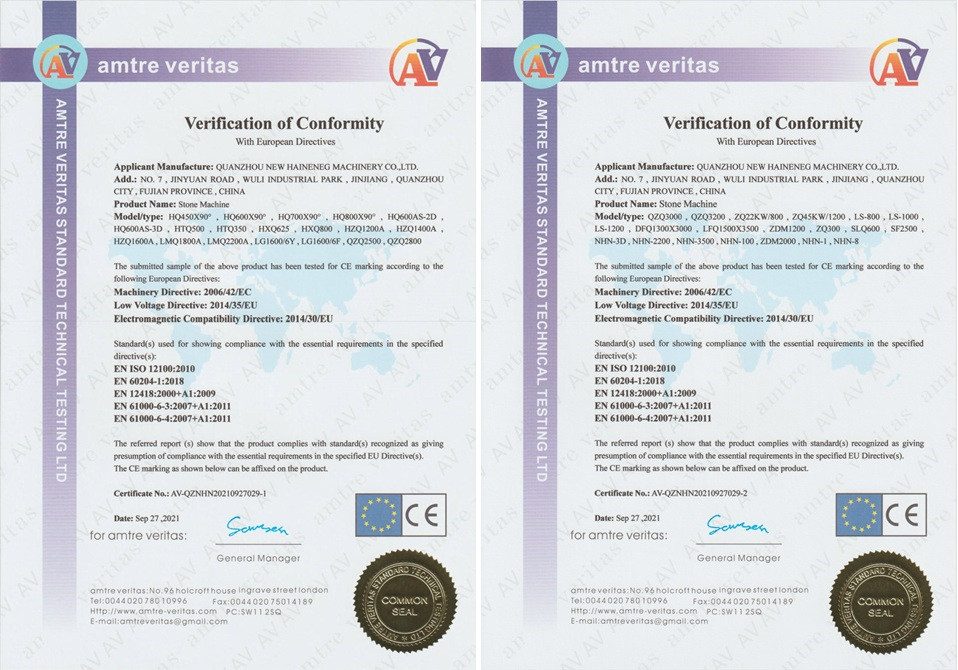
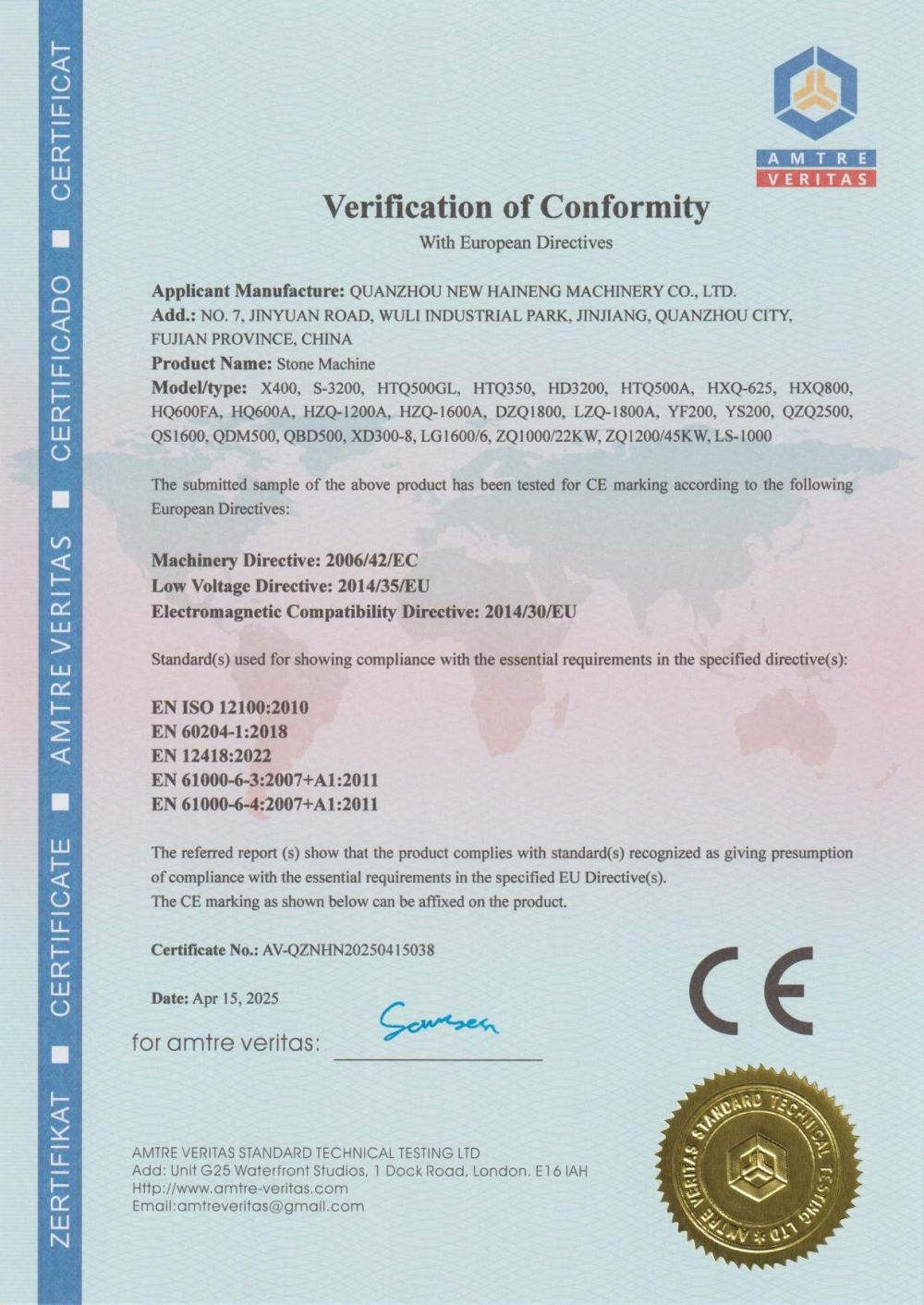
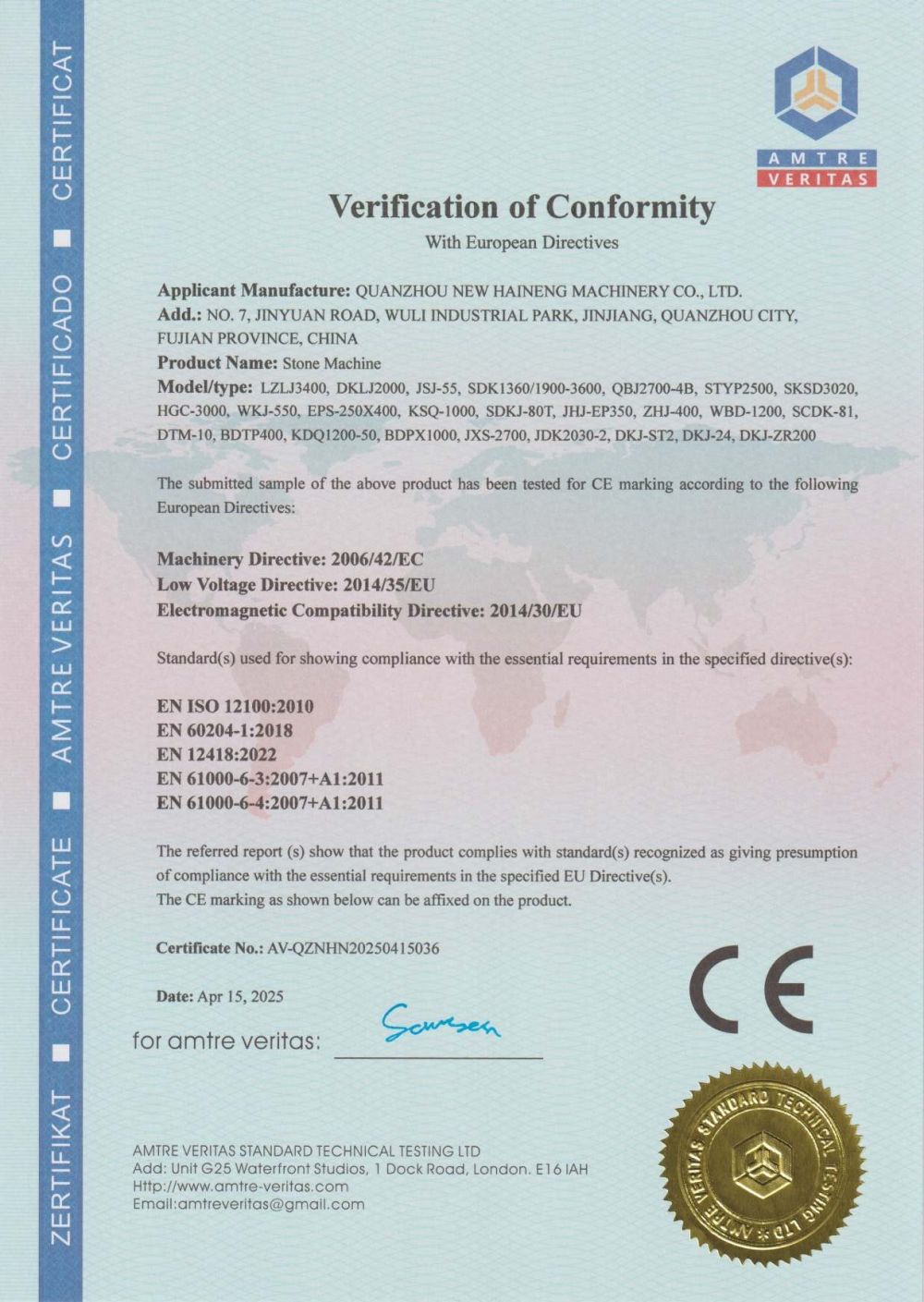
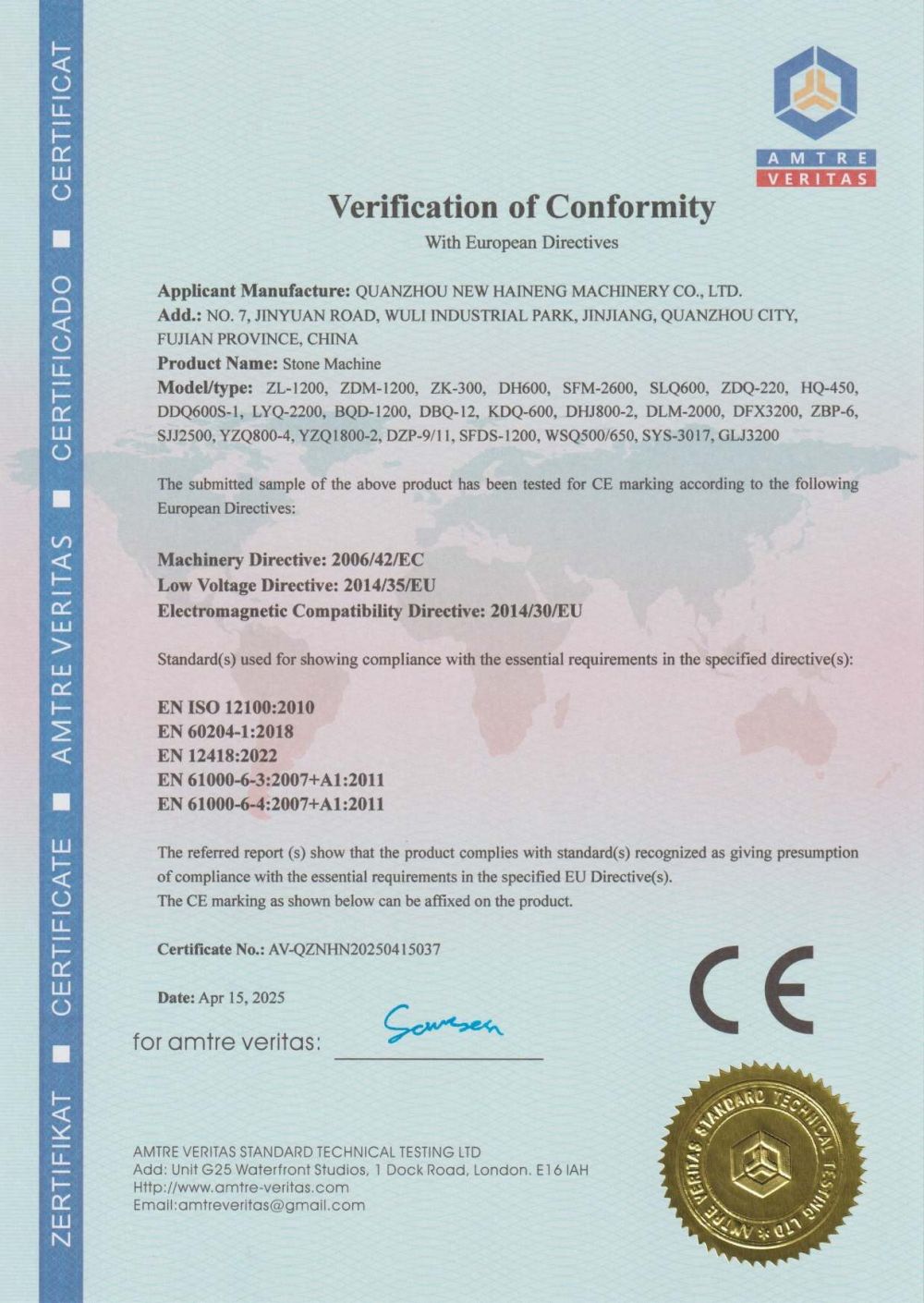
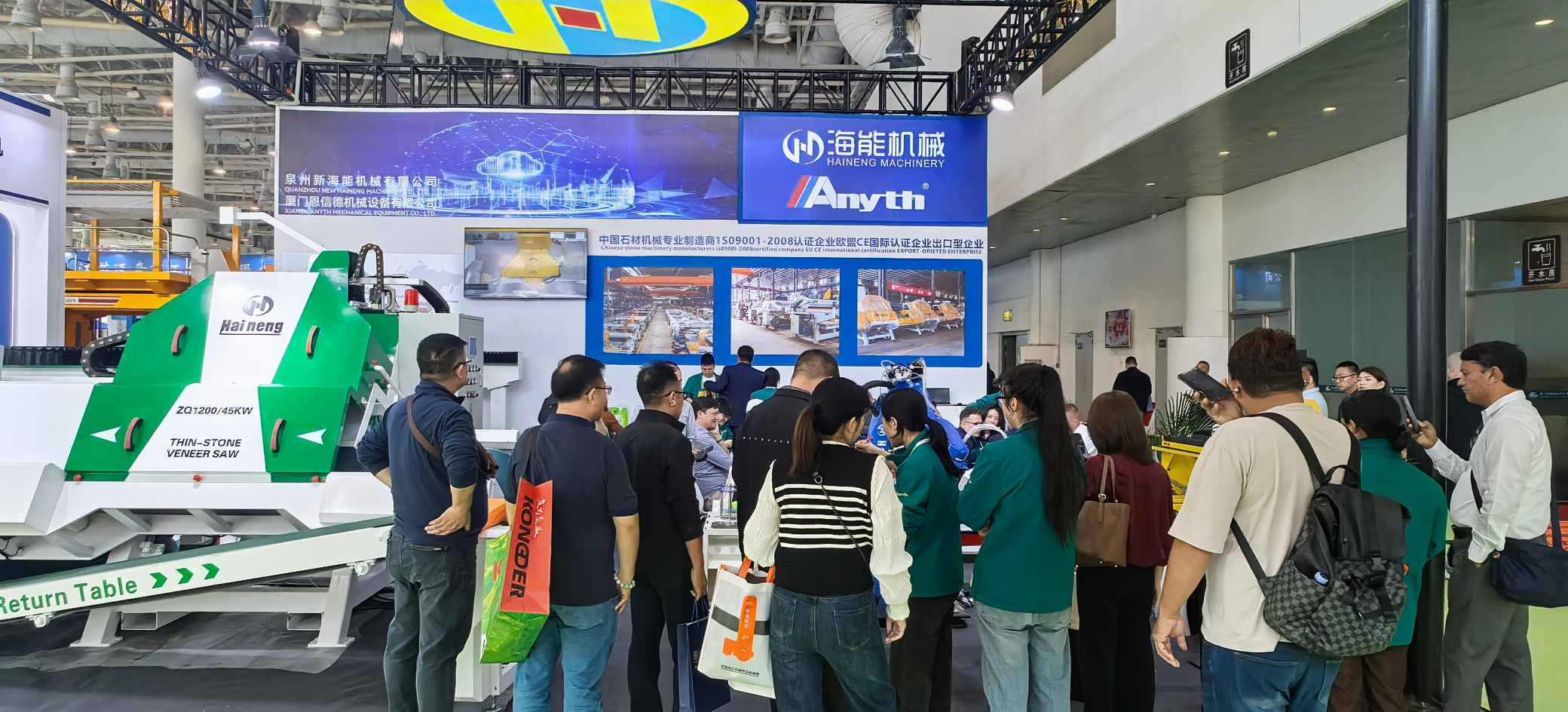
Our core team boasts over 22 years of deep experience in stone machinery R&D, production and application. We integrate independent design, in-house manufacturing, global sales and full after-sales service as a one-stop professional stone cutting machinery supplier with solid technical capability and mature production system.
Every component undergoes rigorous inspection across the whole production chain: raw material procurement, spare part machining, heat treatment to final assembly. Defective products are eliminated during production; all finished machines pass stringent factory testing with all parameters exceeding domestic industry benchmarks, securing a 100% qualified delivery rate before shipment.
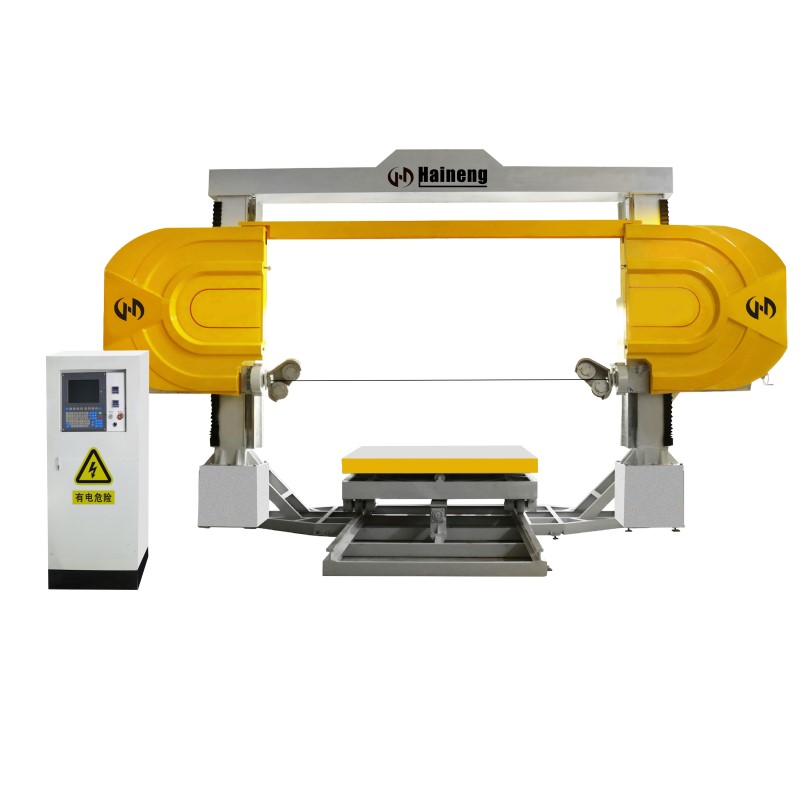
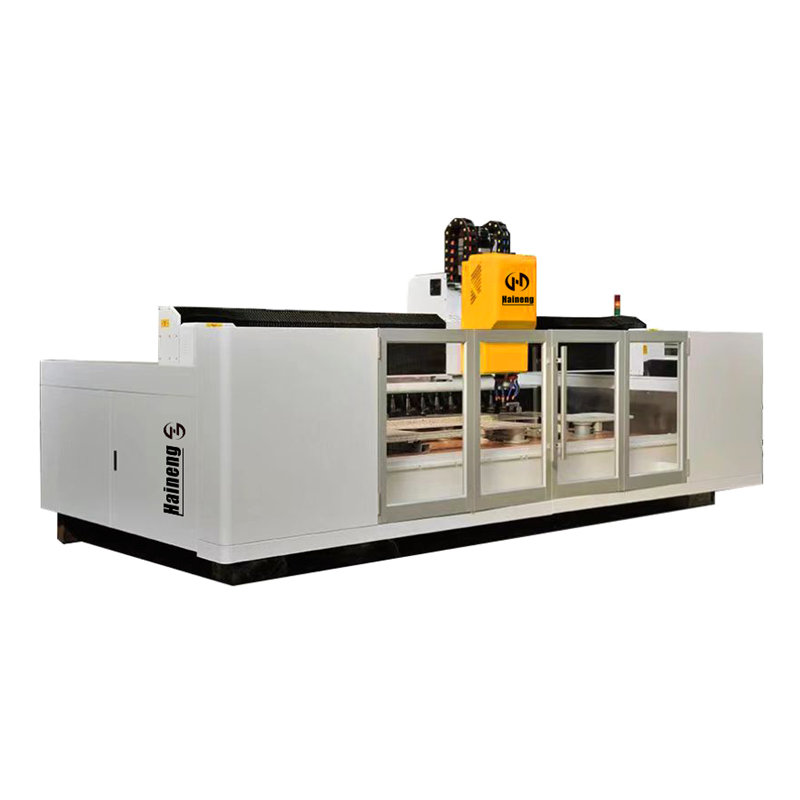
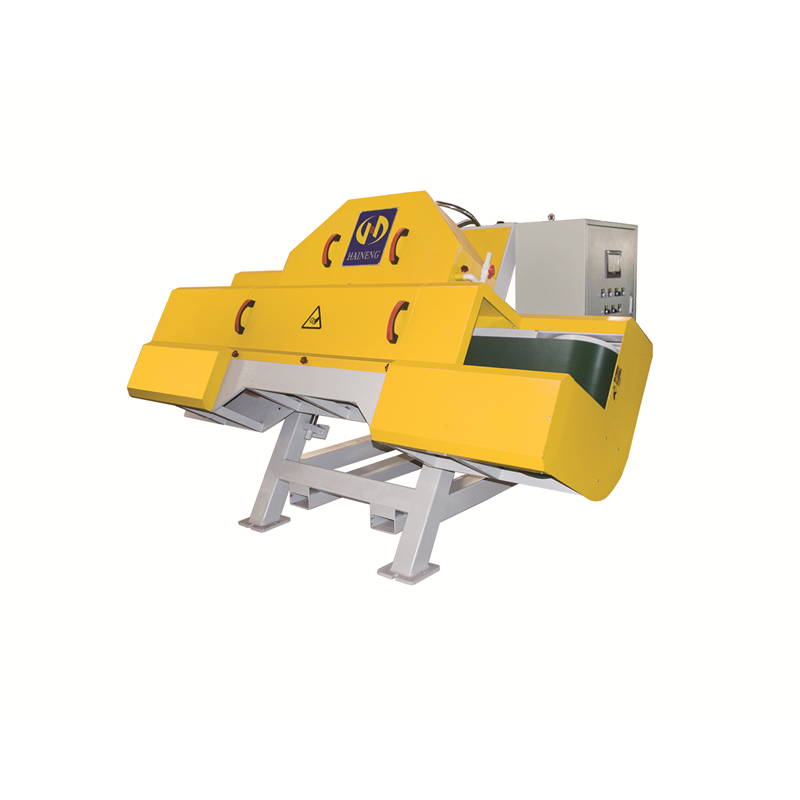
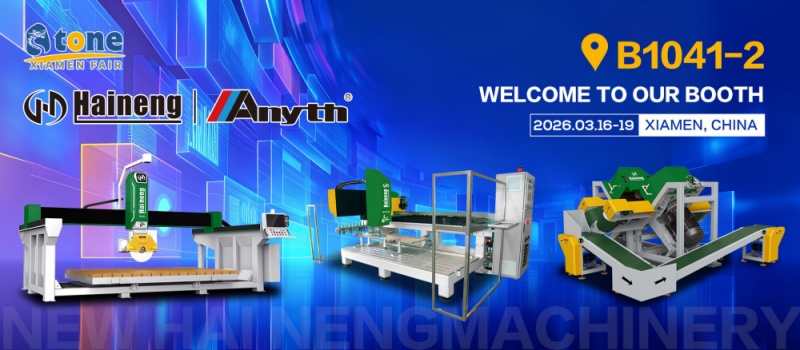
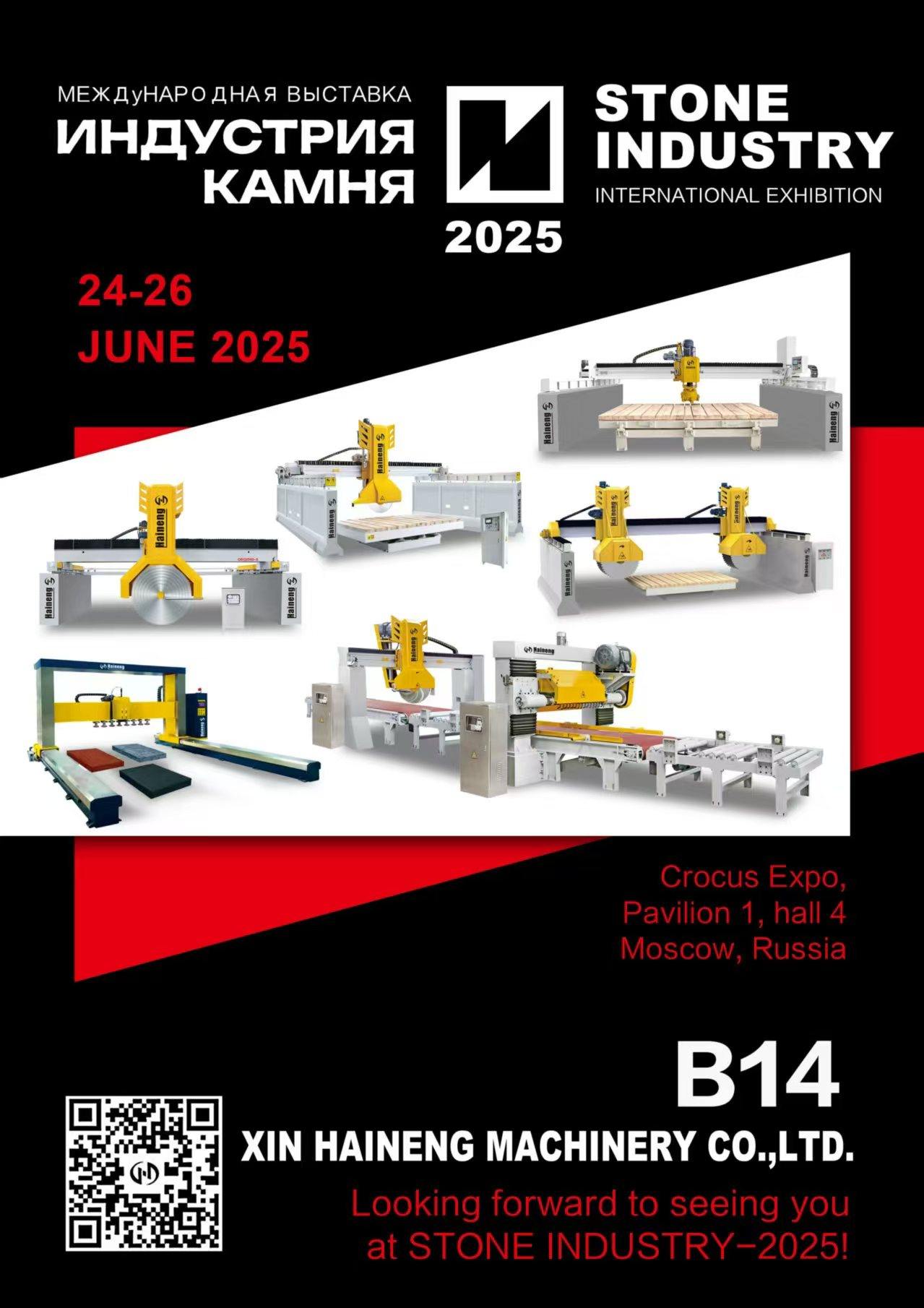
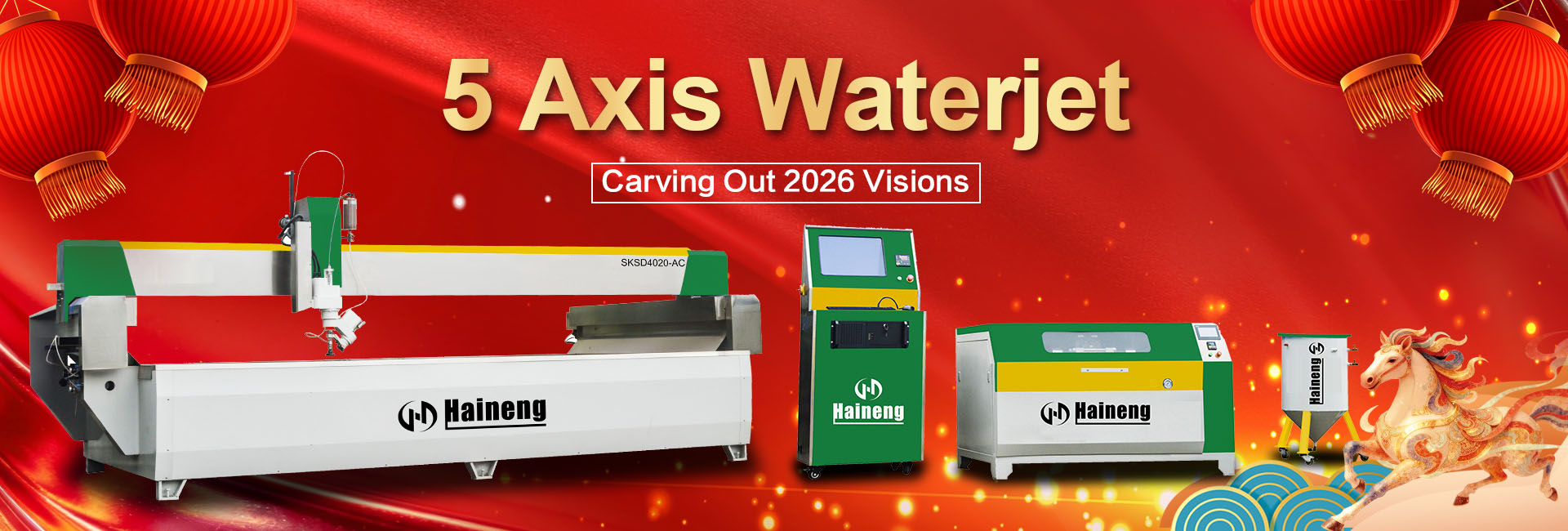
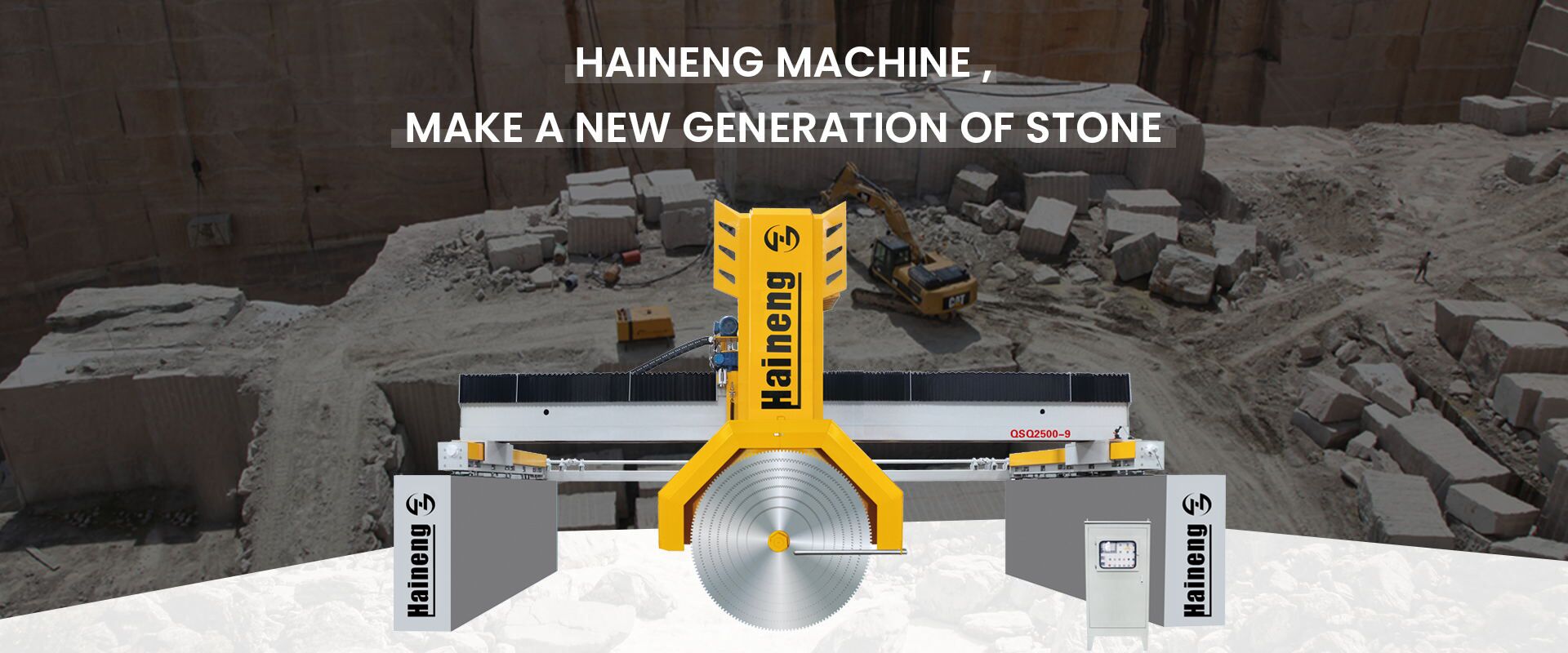
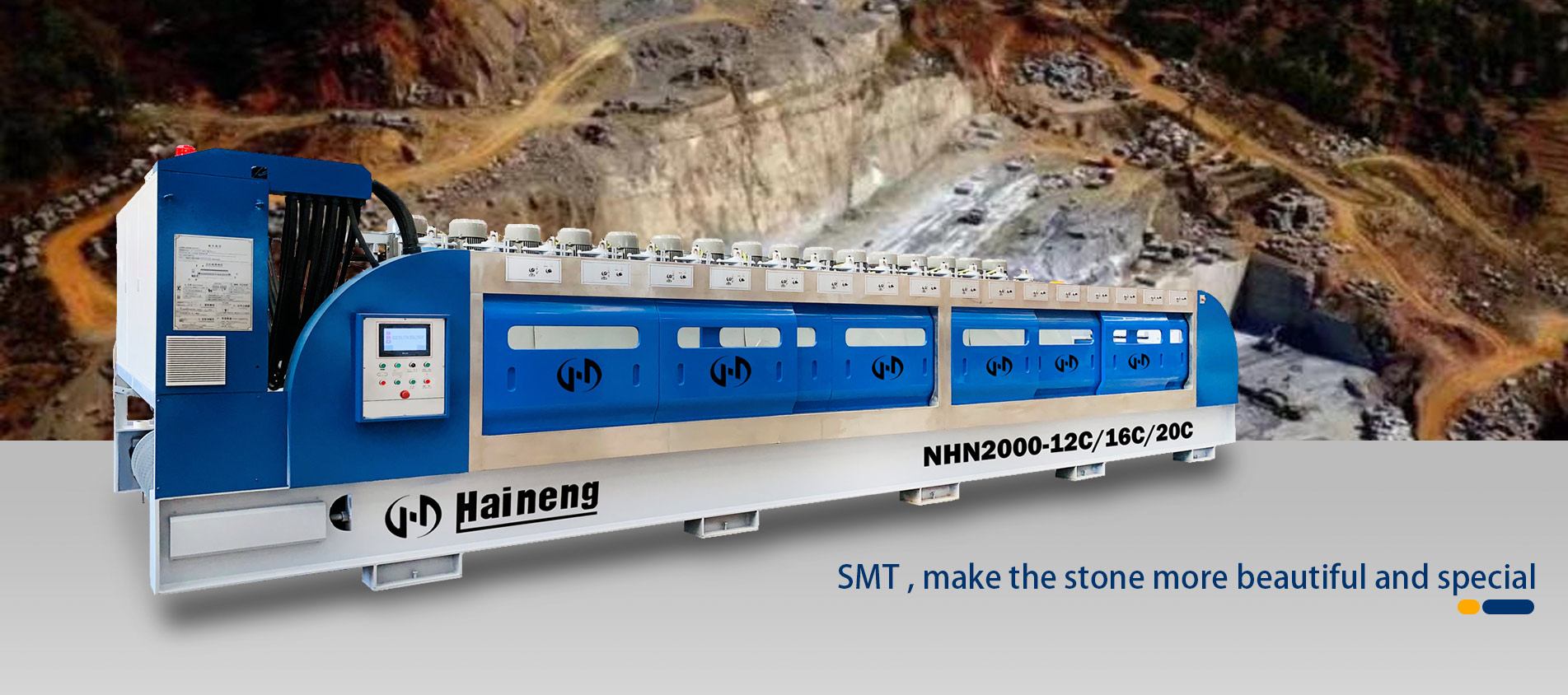
We have developed a comprehensive range of stone cutting and processing equipment, including stone cutting machine, cnc bridge saw, stone profiling machine, stone polishing machine, thin veneer saw , as well as over 10 series of customised equipment to meet the diverse processing requirements of granite, marble and engineered stone factories.
Headquartered in Jinjiang Wuli Industrial Park, Quanzhou Fujian , we enjoy seamless land & sea transportation advantages, enabling fast raw material supply and efficient domestic & global product delivery.
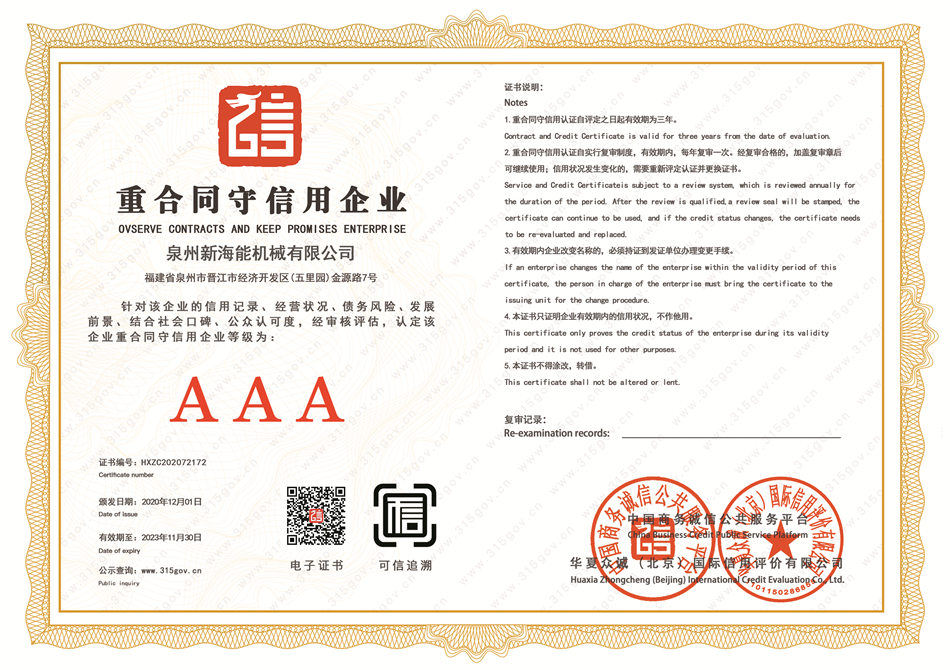
Backed by long-term trust from new and returning customers, our machinery sells well worldwide with steady market demand. Our product quality and service consistently lead the domestic stone machinery sector, earning consistent favorable feedback from stone processing plant operators.
We stick to reputation-driven & service-focused business philosophy. Beyond reliable machine supply, we keep upgrading after-sales service continuously to support clients’ production expansion and business growth, serving as your long-term trustworthy stone machinery partner.


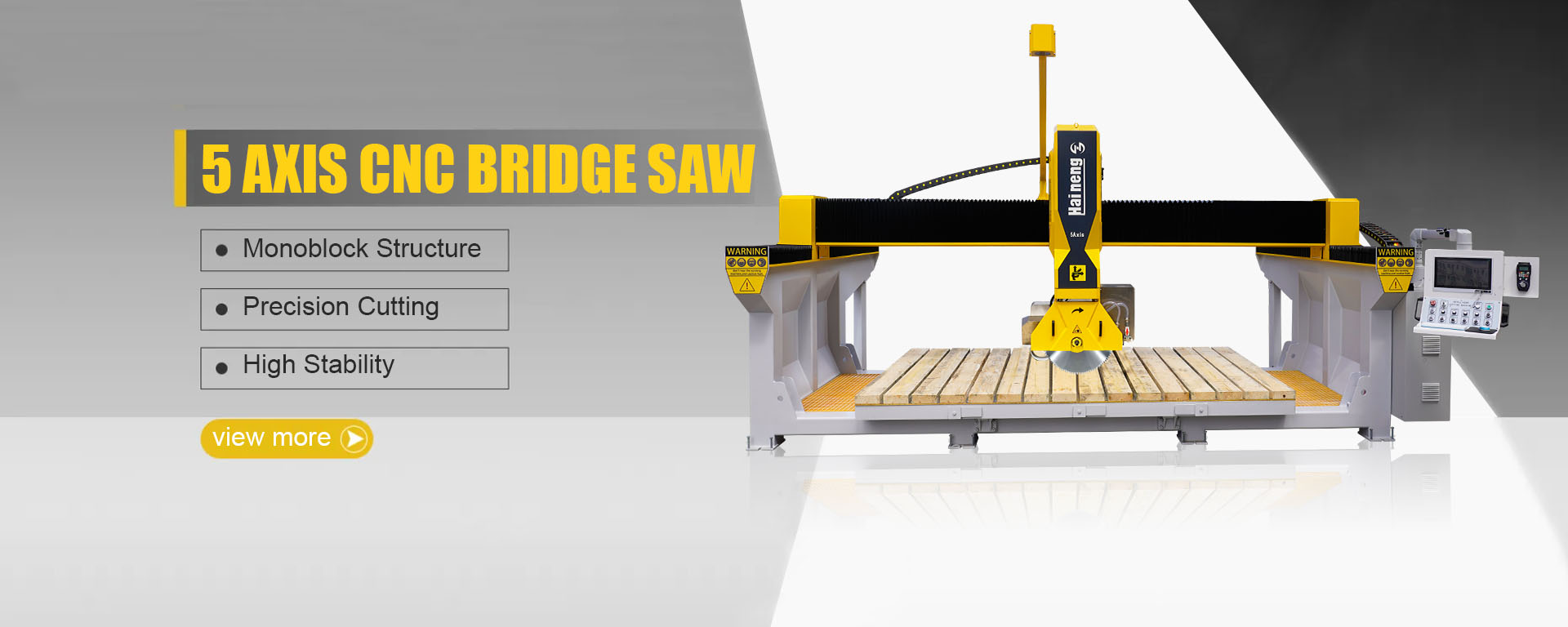
A stone bridge saw is a heavy-duty cutting machine used to cut large stone slabs into precise sizes for countertops, tiles, wall cladding, stair components, and other architectural applications.
The basic design is straightforward but highly effective. Two side rails support a transverse beam, commonly referred to as the bridge. The cutting head, fitted with a diamond saw blade, travels along the bridge, while the bridge itself moves back and forth along the side rails. The blade moves vertically to set the required cutting depth.
For stone fabricators, however, choosing the right bridge saw involves much more than looking at blade diameter or motor power. Machine structure, rigidity, table design, cutting range, and control system all have a direct impact on cutting quality and long-term operating costs.
One of the first decisions to make when comparing bridge saws is the machine frame design. Most machines fall into two categories: monoblock and split-type.
A monoblock machine integrates the bridge, side rails, support structure, and worktable into one self-supporting frame. This design is particularly convenient for workshops where installation time and flexibility are important.
The machine can normally be installed on a flat concrete floor without the need for an extensive special foundation. Since the main structure is assembled as one unit, it is also easier to dismantle, relocate, or load into a container when required.
This type of bridge saw is generally a practical choice for small and medium-sized stone fabrication shops, especially for facilities that rent their production space or may need to rearrange the workshop in the future.
A split-type bridge saw uses separate side supports, with the supporting legs typically fixed to concrete foundations, walls, or specially prepared piers with anchor bolts.
The main advantage is structural rigidity. Once properly installed, the machine forms a solid connection with the workshop foundation, helping reduce vibration during continuous cutting, especially when processing thick granite, quartzite, and other hard materials.
For high-volume production environments with a permanent cutting area, this design can provide a more robust working platform.
When cutting stone, machine stability is not a minor detail. Granite, quartzite, and other hard materials generate considerable cutting resistance, particularly during deep cuts and mitering operations.
A rigid and properly weighted machine frame helps keep the diamond blade running smoothly. Excessive vibration can affect cutting accuracy, shorten blade life, increase wear on linear guides, and contribute to chipped edges or a rougher finished surface.
Heavy-duty bridge saws therefore tend to use substantial bridge structures and reinforced frames. Some industrial designs use cast-iron bridge assemblies weighing more than 6,200 lb, with overall machine weights exceeding 12,000 lb. The additional mass helps absorb vibration and maintain stability under load.
Guide rail protection is another important consideration. In a stone-processing environment, slurry, water, and abrasive dust can quickly damage exposed mechanical components. Sealed or oil-bath guide systems are often used to keep contaminants away from the bearing surfaces and extend service life.
Blade capacity should be selected according to the maximum thickness and type of stone being processed.
A 20-inch blade is commonly used for standard countertop work, particularly when processing slabs in the typical 20–30 mm thickness range. For thicker materials, a larger blade may be required. A 24-inch blade, for example, provides greater cutting depth and is better suited to applications involving thicker stone sections.
Motor power is equally important. For demanding miter cuts in granite, quartzite, and other hard materials, a main motor rated at around 24 HP (18.5 kW) or above can provide additional torque and help maintain stable spindle speed under load.
In practical terms, the right combination of blade diameter, spindle speed, and motor power is often more important than simply choosing the largest motor available.
Before purchasing a bridge saw, check the actual cutting envelope rather than focusing only on the nominal table size.
The machine should have enough travel to handle the largest slabs commonly used in your workshop. A cutting range of approximately 130 × 130 inches, for example, provides sufficient working space for many full-size engineered quartz and natural stone slabs.
Vertical travel also deserves attention. An 18-inch Z-axis stroke gives operators more clearance when working with thick materials, raised workpieces, or special holding fixtures.
A well-balanced cutting envelope improves productivity by reducing the need to reposition slabs during production.
A rotating table can make a significant difference in day-to-day production.
Instead of manually moving a heavy slab every time the cutting direction changes, the operator can rotate the workpiece directly on the table. Hydraulic or motorized rotation is particularly useful when multiple cuts are required on the same slab.
Common positioning points include 0°, 45°, 90°, and 135°. Some machines also allow the table to lock at intermediate angles, making it possible to produce octagonal shapes, diagonal cuts, and other special layouts without repeatedly repositioning the material.
For shops processing a high volume of countertops and architectural stone components, a rotating table can save both handling time and labor.
Loading a full-size stone slab onto a horizontal table can be difficult and potentially dangerous, especially when forklifts, overhead cranes, or vacuum lifters are involved.
An up-tilting table capable of reaching approximately 85° allows operators to load slabs in a more controlled position. Once the slab is positioned, the table can be returned to the cutting position.
This type of system is particularly useful for large-format slabs because it reduces manual handling and makes loading and unloading more manageable.
Miter cutting is now common in countertop fabrication, particularly for waterfall edges, seamless corners, and other premium edge details.
A bridge saw with an automatic tilting cutting head can generally adjust the blade angle from 0° to 45°. This allows the same machine to perform standard straight cuts as well as angled cuts without requiring a separate cutting setup.
For hard materials, smooth and controlled miter movement is important. Stable blade positioning and hydraulic or servo-controlled movement can help maintain a consistent angle and reduce unwanted tool marks along the cut edge.
A bridge saw is a relatively high-power piece of stone-processing equipment, so the workshop electrical supply should be checked before installation.
Most industrial machines require three-phase power. Depending on the destination market and electrical infrastructure, the control cabinet may be configured for systems such as 220 V, 380 V, or 480 V three-phase power.
The final voltage and frequency should always be confirmed before production and shipping. Electrical components, motor specifications, protection devices, and the control system should all be matched to the local grid conditions.
The space required for a bridge saw is larger than the machine dimensions shown in a product catalog.
When planning the installation, allow additional room for slab loading, operator access, maintenance, electrical cabinets, and movement around the machine. A complete working area may require an operating envelope of roughly 25 ft wide × 17 ft deep × 12 ft high, depending on the machine configuration and material-handling method.
For machines using anchor bolts or fixed support legs, the condition of the concrete floor is also important. A foundation thickness of around 250 mm is often considered when planning heavy-duty installations, although the actual requirement should be confirmed according to the machine's structural design and anchor system.
The difference between PLC and CNC bridge saws is mainly related to control functions, programming capability, and the type of work the machine is intended to handle.
A PLC-controlled bridge saw is typically designed for straightforward production work. Operators can enter cutting dimensions through a touchscreen interface and perform automatic straight cuts, as well as standard miter cuts.
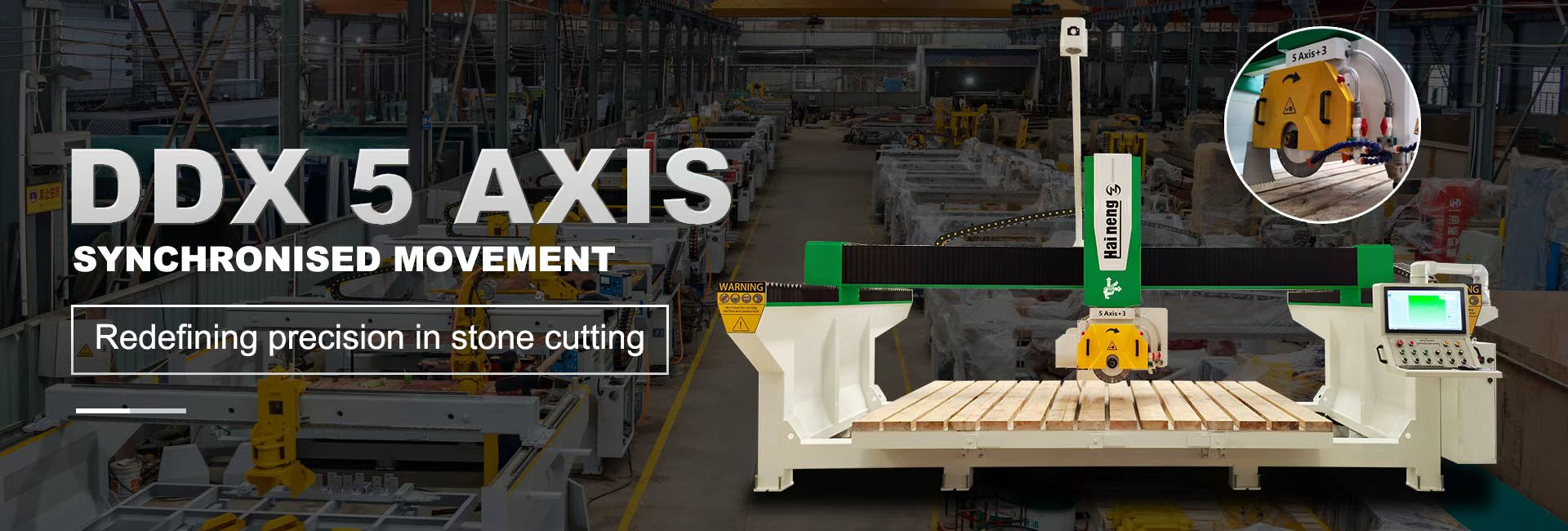
A 5-axis CNC bridge saw goes much further. It can work with CAD/CAM software and is designed for more complicated operations, including shaped cutting, interpolation, drilling, profiling, and certain three-dimensional stone-processing applications.
For workshops focused mainly on countertop fabrication and regular straight or miter cuts, a PLC bridge saw can be a practical and cost-effective solution. For more complex fabrication work, a 5-axis CNC machine offers considerably greater flexibility.
Yes, but the machine configuration matters.
Sintered stone is highly dense and can be demanding on the cutting system. Stable spindle rotation, sufficient motor torque, appropriate blade selection, and accurate speed control all contribute to a better cutting result.
A motor in the 24 HP class can provide useful power reserves for demanding applications, helping the spindle maintain more consistent speed when cutting hard materials.
However, motor power alone does not determine cutting performance. Blade quality, spindle accuracy, feed speed, cooling water, machine rigidity, and operator settings all have a significant influence on the final result.
For most stone fabrication businesses, the best bridge saw is not necessarily the machine with the biggest blade or the highest motor power. The more important question is whether the machine matches the materials, slab sizes, production volume, and cutting processes of the workshop.
Before making a purchase, it is worth checking the following:
Maximum blade diameter and cutting depth
Main motor power and spindle configuration
X, Y, and Z-axis travel
Machine frame rigidity and overall weight
Rotating and tilting table functions
Miter cutting range
Control system and software
Linear guide protection
Electrical compatibility
Foundation and installation requirements
After-sales service and availability of spare parts
A well-designed stone bridge saw should provide accurate cutting, stable operation, easy material handling, and reliable performance over years of production.
For professional stone fabricators, these factors usually have a greater influence on real operating costs and productivity than the machine's purchase price alone.
About Us
Quanzhou New Haineng Stone Machinery Co.,Ltd.


Scan to wechat